


Agenda 2030: From Goals to Action
How can educators turn the Sustainable Development Goals into meaningful classroom and community action?
This practical Erasmus+ course helps participants connect Agenda 2030 with active learning, inclusive projects, sustainability and global citizenship education.
Activity Type: Physical Mobility
Duration: 1-week course for professionals from all Erasmus+ eligible countries
Target Group: Teachers, trainers, adult educators, academic staff, school leaders, educational coordinators and other education professionals from all educational levels
Course Language: English
Available Dates and Locations: View confirmed course sessions
Turning the Sustainable Development Goals Into Local Learning Action
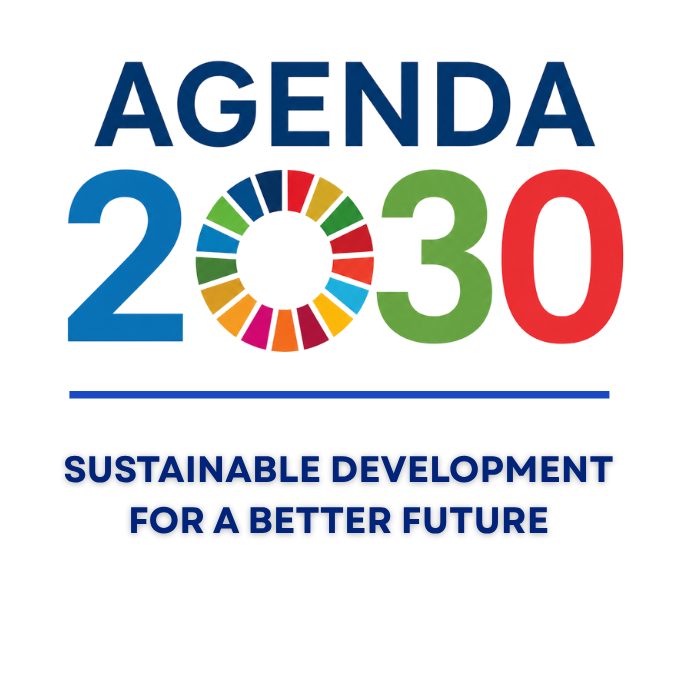
Agenda 2030 and the Sustainable Development Goals (SDGs) provide a global framework for building a more sustainable, inclusive, and equitable future. Educators play a key role in helping learners understand these challenges and become active contributors to positive change.
This practical course helps participants explore the 17 SDGs and translate them into meaningful learning activities for education contexts. Through workshops, collaboration, and real examples, participants will discover how to integrate sustainability, global citizenship, inclusion, digital tools, and critical thinking into their professional practice.
The course focuses on practical methods such as project-based learning, discussion activities, problem-solving tasks, and community engagement ideas. Participants will also exchange experiences with international peers and reflect on how Agenda 2030 priorities connect to their own organisations.
By the end of the week, participants will feel confident turning global goals into local learning action.
Learning Outcomes
By the end of the course, participants will be able to:
- Explain the purpose and structure of Agenda 2030 and the 17 SDGs
- Connect SDGs to adult education and lifelong learning priorities
- Design learning activities based on sustainability and global citizenship
- Use project-based learning to address real-life challenges
- Promote critical thinking and learner engagement around global issues
- Integrate digital tools to support sustainability education
- Create action plans for applying Agenda 2030 in their organisation
- Exchange practices with international colleagues
Schedule
Day 1 – Course Introduction & Setting Goals
Course Introduction:
- Overview of the course, the school, and the week's activities
- Icebreaking activities
- What is Agenda 2030 and why does it matter for educators?
- Overview of Agenda 2030 and the 17 Sustainable Development Goals
Setting Goals:
- Identifying needs and goals for each participant and relevant populations
- Group discussions and activities
- Participant school presentations
Day 2 – SDGs in Education Practice
- Exploring the 17 SDGs and their relevance to education
- Connecting sustainability with inclusion, wellbeing, equality, and citizenship
- Case studies of successful sustainability initiatives in education
- Reflection: local challenges and global responsibility
Day 3 – Teaching the SDGs Through Active Learning
- Using project-based learning to explore sustainability topics
- Designing collaborative activities linked to real-life challenges
- Problem-solving tasks and discussion methods for global issues
- Workshop: Creating learner-centred SDG activities
- Group exchange of ideas and good practices
Day 4 – Digital Tools for Sustainability Education
- Using digital platforms and interactive tools to teach Agenda 2030
- Exploring AI tools, apps, and online resources for SDG topics
- Creating engaging presentations and awareness campaigns
- Workshop: Designing technology-supported sustainability activities
- Reflection: motivating learners through digital innovation
Day 5 – From Global Goals to Local Action
- Best practices for integrating Agenda 2030 into daily professional practice
- Participants design lesson plans, projects, or action strategies
- Presentation of participant ideas and feedback
- Networking session: Sharing experiences and best practices among participants
- Course evaluation, competency roundup, and feedback discussion
Day 6 – Course Closure & Cultural Activities
- Reflection
- Awarding of Certificates of Attendance
- Excursion and other cultural activities
Evaluation of Learning Outcomes
Recognition of learning outcomes
Methodology & Learning Approach
The course uses a practical, learner-centred methodology combining hands-on workshops, real-world examples, simulations, guided reflection and collaborative activities. Participants exchange good practices, work in international groups and develop ideas that can be adapted to their own professional context.
Optional cultural, social and networking activities support local engagement, intercultural learning and professional collaboration.
Practical Details
Duration: 1 week or 25 academic hours
Schedule: Classes are from Monday to Friday in the morning or in the afternoon. The final timetable will be sent at least two weeks before the start of the class.
Saturday is reserved for Cultural Activities.
Sundays are for arrival and departure.
Note: other durations and schedules can be arranged on demand.
Certification:
Participants who meet the attendance requirements receive a Certificate of Attendance documenting the course title, dates, venue and learning outcomes.
Preparation:
No special preparation is required unless stated in the course programme.
Participants may be invited to introduce their organisation and share examples
from their professional context. Any required materials or equipment will be
communicated before the course.
Erasmus+ funding:
Course fees and mobility costs may be supported through an eligible sending organisation's Erasmus+ grant. Eligibility and final funding are determined by the beneficiary organisation and its National Agency.
Read our
Erasmus+ KA1 funding guide
.
Support:
Understanding Academy provides course programmes, learning outcomes, registration documentation and certificates for mobility administration. Participants and sending organisations remain responsible for transport, accommodation and grant management.
Fee: €480
See what the course fee includes
Plan your Erasmus+ mobility
Ready to join this course?
Check the upcoming confirmed dates or register your interest. We will contact you with availability and the next steps.
Need funding information? Read our Erasmus+ KA1 funding guide.